It's a fair question, and we'd rather answer it honestly than sell around it: a photography tour costs more than an independent trip, so what specifically are you paying for? Here's the transparent breakdown.
Timing you can't book yourself
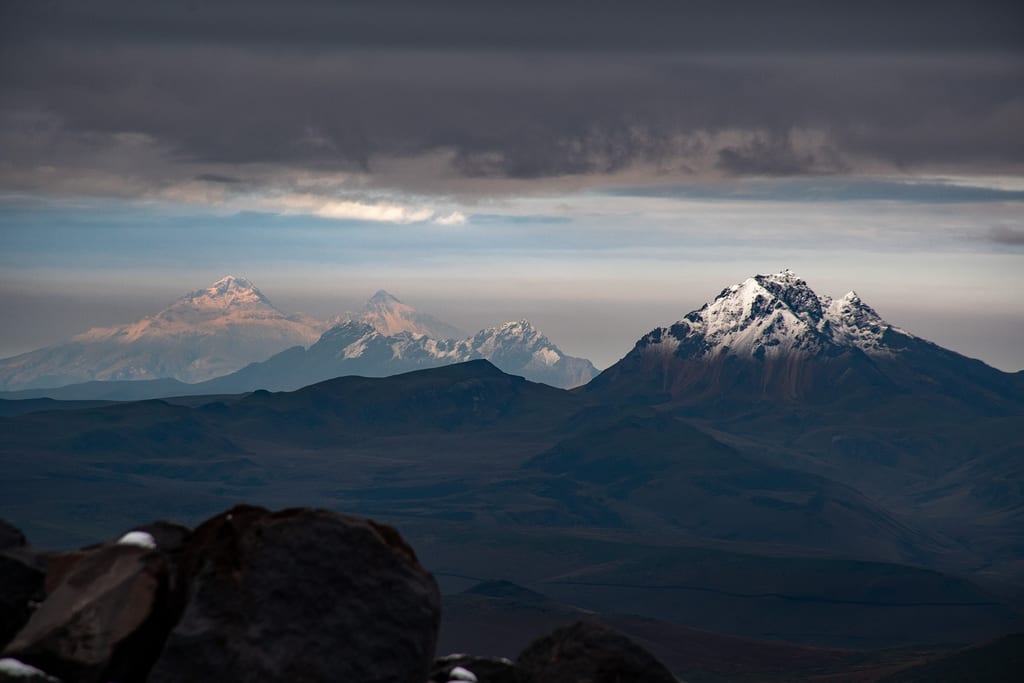
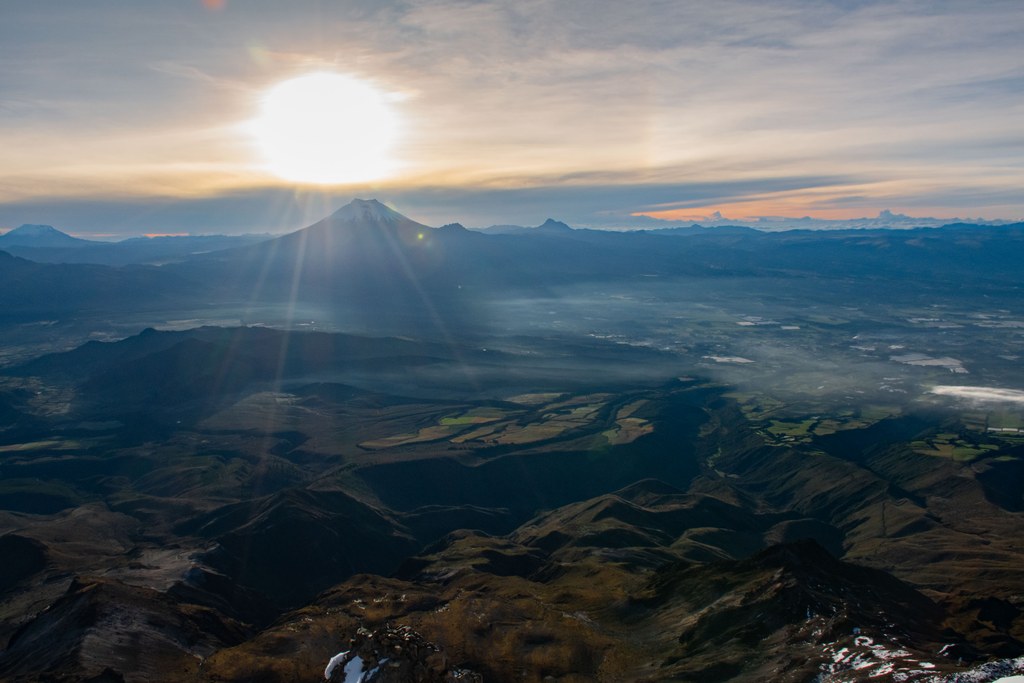
The difference between a mediocre and a striking landscape shot is usually timing — being at Cotopaxi's viewpoint in the thirty-minute clear window at dawn, not at 11 a.m. when the cloud has already built. That timing comes from guides who've shot the same locations dozens of times across every season, not from a guidebook or a single scouting trip.
Access you can't buy at the door
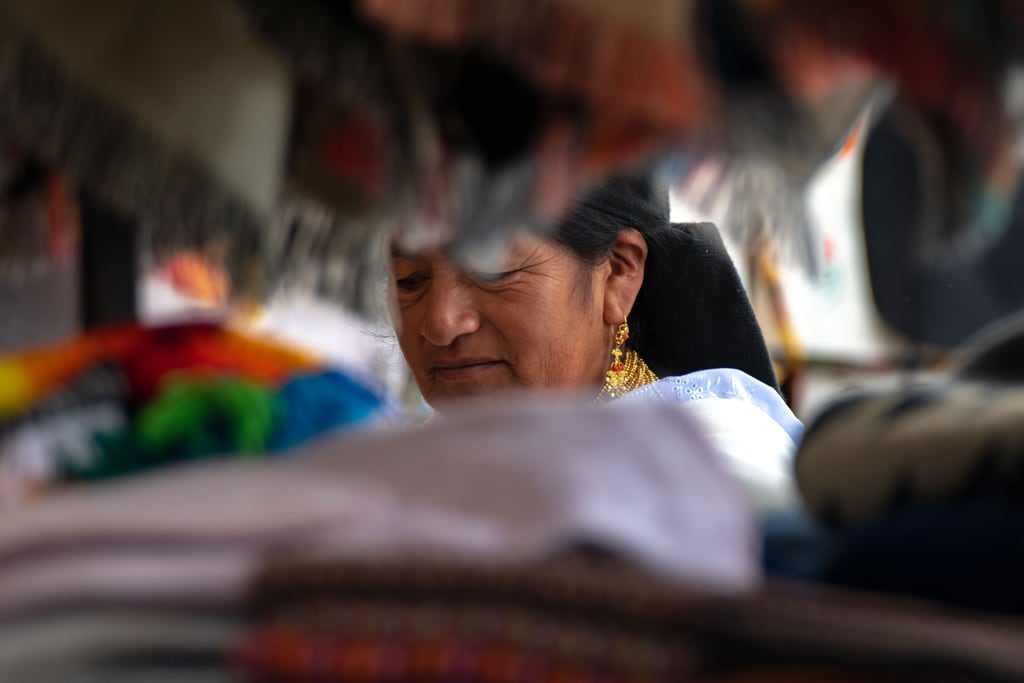
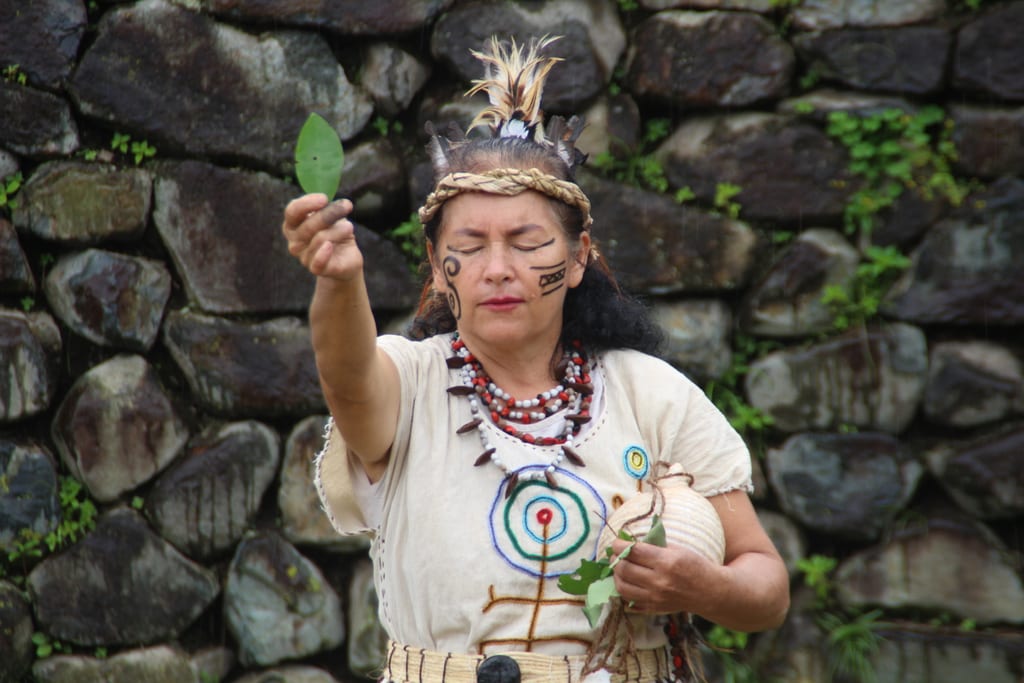
Community visits, market portrait sessions, and cultural ceremonies happen through relationships, not transactions. A guide who's built trust with a Kichwa community over years can open doors that a solo traveler with a camera and good intentions simply can't, no matter how respectful they are.
Coaching, not just guiding
A tour built for photographers — not just travelers with cameras — includes real technical coaching: manual settings walkthroughs, composition feedback in the field, and help troubleshooting a shot that isn't working. That's a meaningfully different service than a standard sightseeing guide, and it's where beginners in particular see the fastest improvement.
Logistics that protect your shooting time
Private transport, pre-booked permits, and pre-scouted timing mean your limited days go toward shooting, not toward figuring out where to park or whether a park requires a permit you didn't know about. On a short trip, that logistics overhead is often the difference between three good shoot mornings and six.
Final thought
A photography tour isn't worth it if all you need is transportation to pretty places you can already find. It's worth it when timing, access, and coaching are the actual bottleneck between you and the photos you're trying to make — and for most first-time visitors to a country this complex, that's exactly the bottleneck.